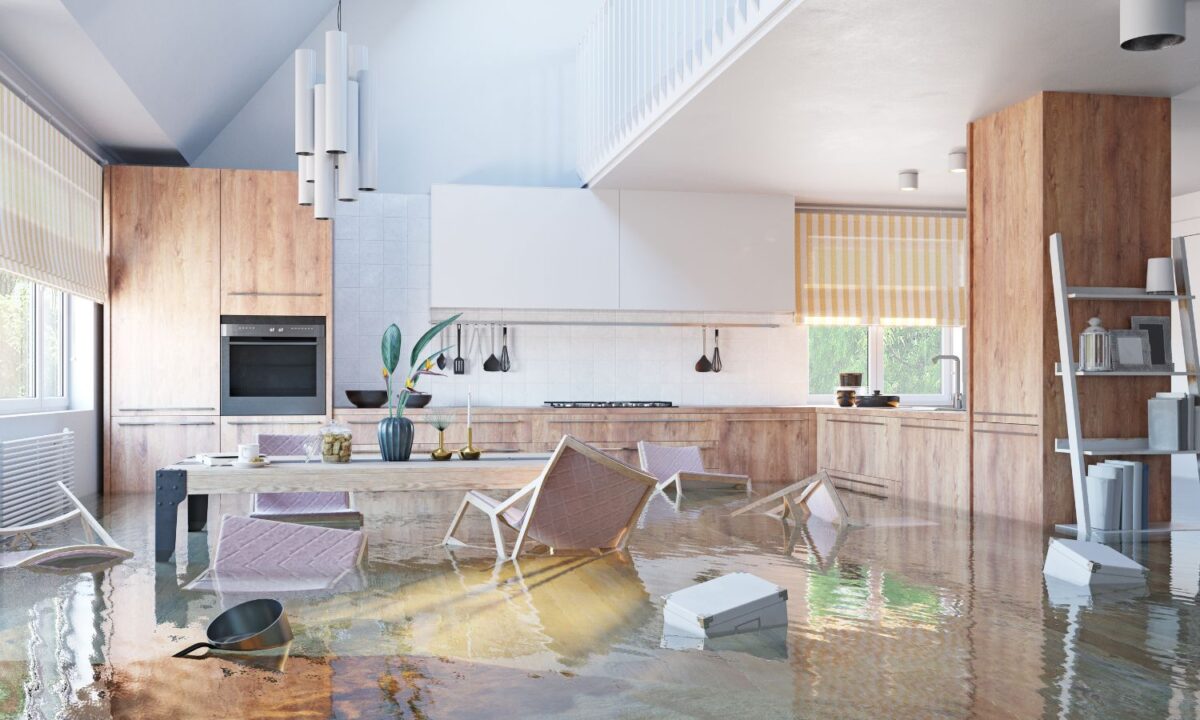
As a property owner or manager, the aftermath of a natural disaster can be daunting. Whether it’s a hurricane, earthquake, flood, or wildfire, your responsibilities don’t diminish after the disaster—they often increase. If you’re asking yourself, ‘What are my obligations after a natural disaster?’ this guide is designed specifically for you. It provides a comprehensive overview of what you need to know to ensure the safety of your tenants, meet your legal obligations, and restore your property as swiftly and efficiently as possible. By understanding your role, you’ll be equipped to make informed decisions that safeguard your investment and the well-being of those living on your property.
Understanding Landlord Responsibilities After a Natural Disaster
When a natural disaster strikes, landlords must act quickly and responsibly. Ensuring the property is safe and habitable is key to keeping tenants secure and minimizing the damage to your investment. Here’s what you need to know about the steps you’re responsible for taking:
1. Assess and Address Immediate Hazards
The first step after a natural disaster is to inspect the property thoroughly. As a landlord, it’s essential to assess the extent of the damage and identify any immediate hazards.
- Property Inspection: Start by examining the structure of the building, including walls, windows, doors, and the roof. Look for damage that could compromise safety, such as broken windows, leaks, or structural instability. This initial assessment can help you prioritize what needs attention first.
- Secure the Property: If any part of the property is unsafe, you must secure it. This might mean boarding up broken windows, securing doorways, or even restricting access to certain areas if they pose a safety risk. If the damage is significant enough that the property becomes uninhabitable, tenants should be informed immediately, and evacuation might be necessary.
It’s important to remember that swift action protects your property and ensures that your tenants feel supported during a stressful time. Communication is key—keep your tenants updated about inspection results and immediate safety measures.
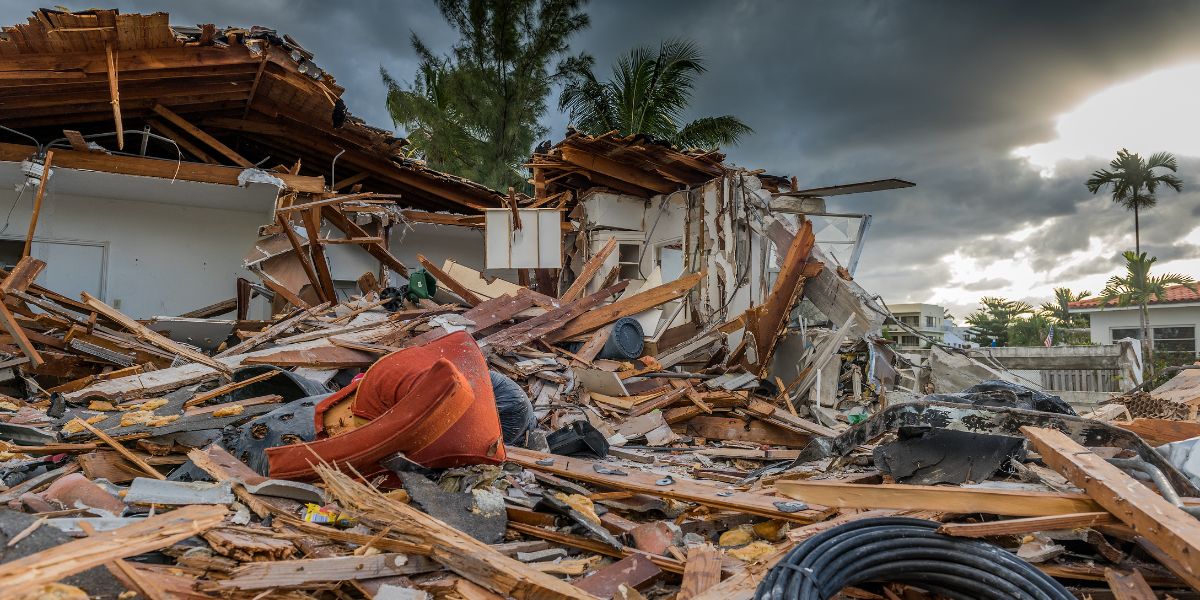
2. Ensuring Habitability and Making Repairs
Once the immediate hazards are addressed, the next responsibility is to restore the property to a habitable state. Habitability is a legal requirement, and failing to meet it could have financial and legal repercussions.
- Necessary Repairs: Essential repairs include fixing structural damage, restoring utilities such as water, gas, and electricity, and addressing issues like leaks or mold growth. Depending on the severity of the damage, you may need to bring in professionals like electricians, plumbers, and contractors.
- Alternative Accommodations: In situations where repairs take some time, you may need to arrange temporary accommodations for your tenants. While this isn’t always a direct obligation, providing assistance or resources to help tenants find temporary housing can demonstrate good faith and prevent misunderstandings. Examples of resources include local shelters, short-term rental listings, or contacts with nearby hotels offering emergency rates.
Restoring habitability should always be your top priority. Remember that this will also impact your ability to continue collecting rent payments. If your property is deemed uninhabitable, local laws may require you to suspend or adjust rent until repairs are complete.
3. Communicating with Tenants
Effective communication with your tenants is crucial throughout the recovery process. After a natural disaster, your tenants will look to you for guidance, reassurance, and answers.
- Update Tenants Regularly: Keeping your tenants informed is crucial to maintaining trust and ensuring their safety. Keep them informed about the status of repairs and any ongoing safety concerns. Transparency is critical to building trust and telling everyone about what to expect. Let your tenants know which utilities are operational, the timeline for fixing what’s not, and any other relevant updates.
- Provide Emergency Contacts: Ensure tenants have the contact information for emergency services, utility companies, and your management team. This will help them know whom to contact for immediate needs and ensure everyone is on the same page.
Communicating clearly and regularly can ease tenant concerns and help maintain a positive relationship, even in challenging situations.
4. Handling Insurance and Financial Assistance
Financial considerations are often a significant concern after a natural disaster, both for landlords and tenants. As a property owner, navigating insurance claims and finding assistance can be complex but necessary.
- File Insurance Claims Promptly: Take detailed photos of the damage, list affected areas, and document any temporary repairs you’ve made to prevent further issues. Keeping this documentation organized is crucial for insurance claims and can help expedite the recovery process.
- Assist Tenants with Resources: While tenants are responsible for their own renter’s insurance, it’s helpful to provide information about available relief programs or local organizations that can assist them. Sharing these resources can help tenants recover more quickly and maintain stability.
5. Reviewing Lease Terms and Rent Adjustments
After assessing damage and beginning repairs, it’s time to review your lease agreements and make any necessary adjustments.
- Rent Adjustments: In many cases, landlords must reduce or suspend rent if the property is uninhabitable. Review local laws and the terms of your lease to determine whether rent adjustments are needed and communicate these changes clearly to your tenants.
- Lease Termination: Depending on the severity of the damage, landlords and tenants may have the right to terminate the lease. It’s essential to understand what your lease says about natural disasters and consult legal advice if you are unsure.
6. Preparing for Future Disasters
While it’s impossible to prevent natural disasters, you can take steps to minimize future damage and improve tenant safety.
- Emergency Preparedness Plan: Create and share an emergency plan with your tenants. Consider including a checklist to make the plan more practical and easier to follow during emergencies. This plan should include evacuation routes, emergency contacts, and procedures for different types of natural disasters.
- Insurance and Safety Upgrades: Consider investing in insurance coverage and making safety upgrades to your property, such as reinforcing roofs, installing storm shutters, or adding sump pumps in flood-prone areas.
Being proactive can help reduce future disasters’ impact and give you and your tenants greater peace of mind.
Your Role as a Responsible Landlord
Natural disasters are unpredictable and can be stressful for everyone involved. As a landlord, your primary responsibility is to ensure the safety and habitability of your property while maintaining open lines of communication with your tenants. You can navigate these challenging times by assessing hazards, making necessary repairs, keeping tenants informed, and handling insurance and lease matters appropriately.
Take the time to review your insurance policies, understand your local legal requirements, and develop a disaster preparedness plan for the future. By being prepared, you’ll protect your investment and show your tenants that you’re a landlord they can rely on—even in the face of adversity.